25Sep
Grace Metalious’s blockbuster novel “Peyton Place” is often associated with the real town of Gilmanton, New Hampshire, where Metalious moved in the early 1950s with her husband and children. “Peyton Place” was published in 1956. Banned in some places due to its racy content (sex, abortion, incest), the novel is really an indictment of small-town New England hypocrisy. Metalious called it “the literary equivalent of kicking over a rock…all kinds of strange things crawl out.”
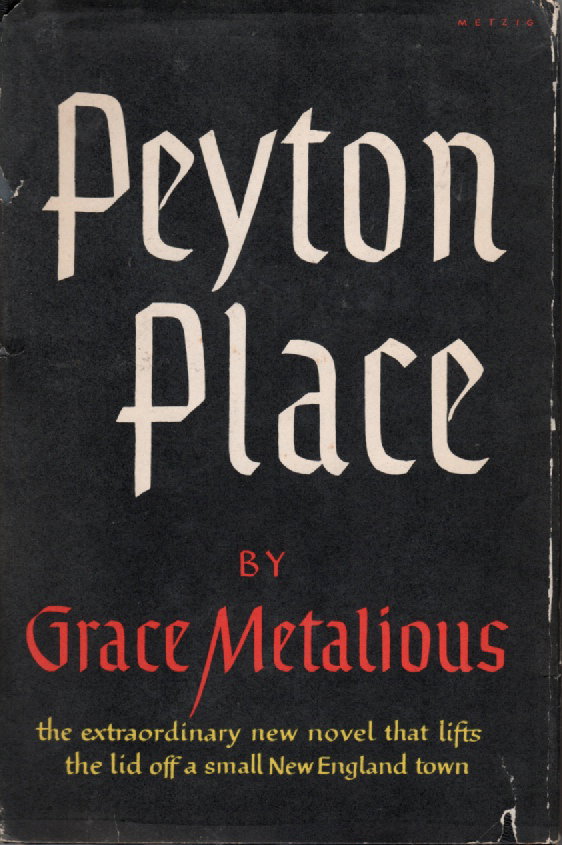
(Simon & Schuster, via Wikimedia Commons)
But did you know that much of “Peyton Place” was shaped and inspired by Manchester? On a recent Grace Metalious tour, I learned much more about the author and her French-Canadian roots in New Hampshire’s Queen City.
The tour was given by the Granite State's incomparable Franco-American historian, Robert Perreault, who invited me and fellow NH author Ana Hebra Flaster. (More on their work later)
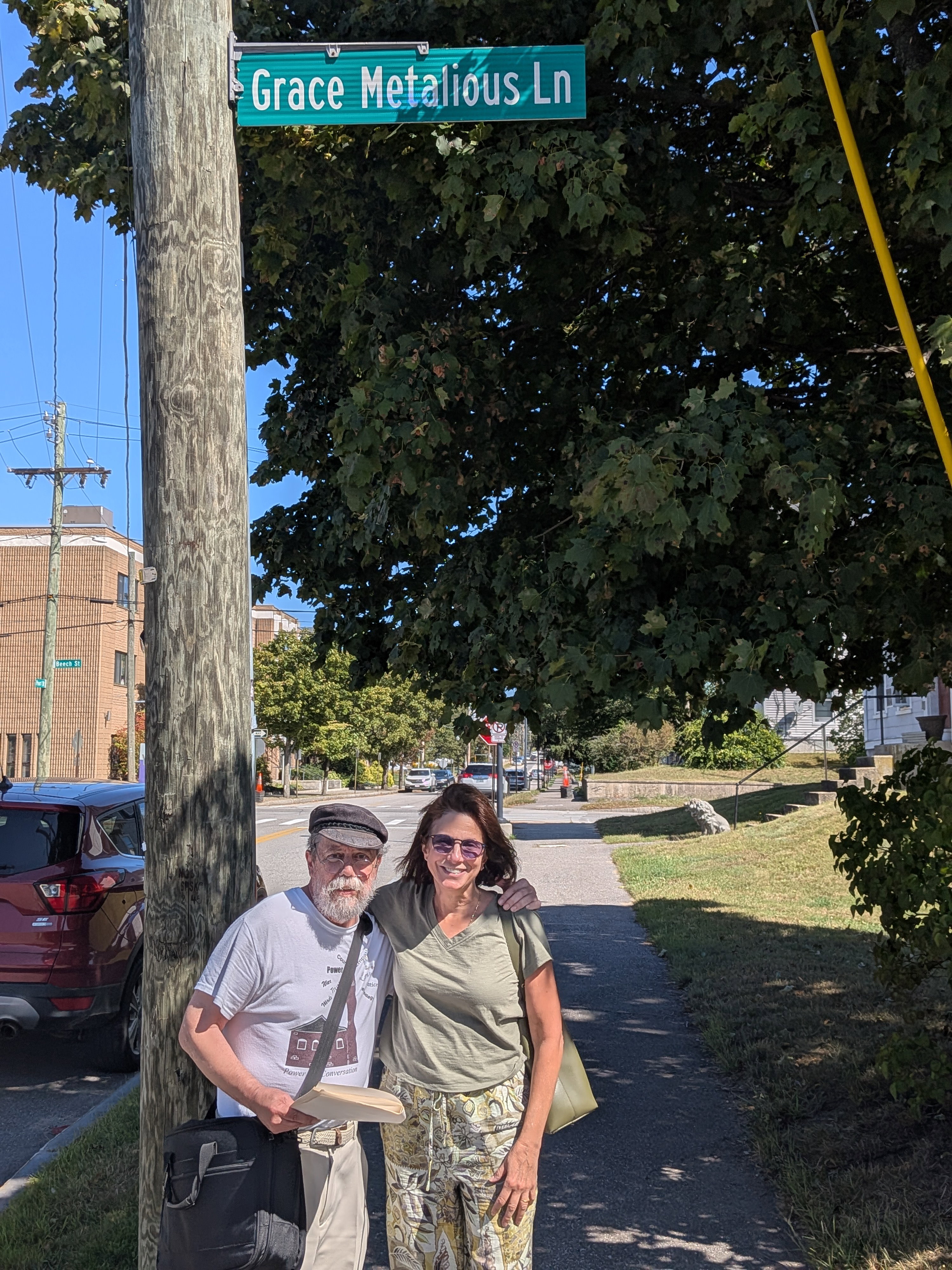
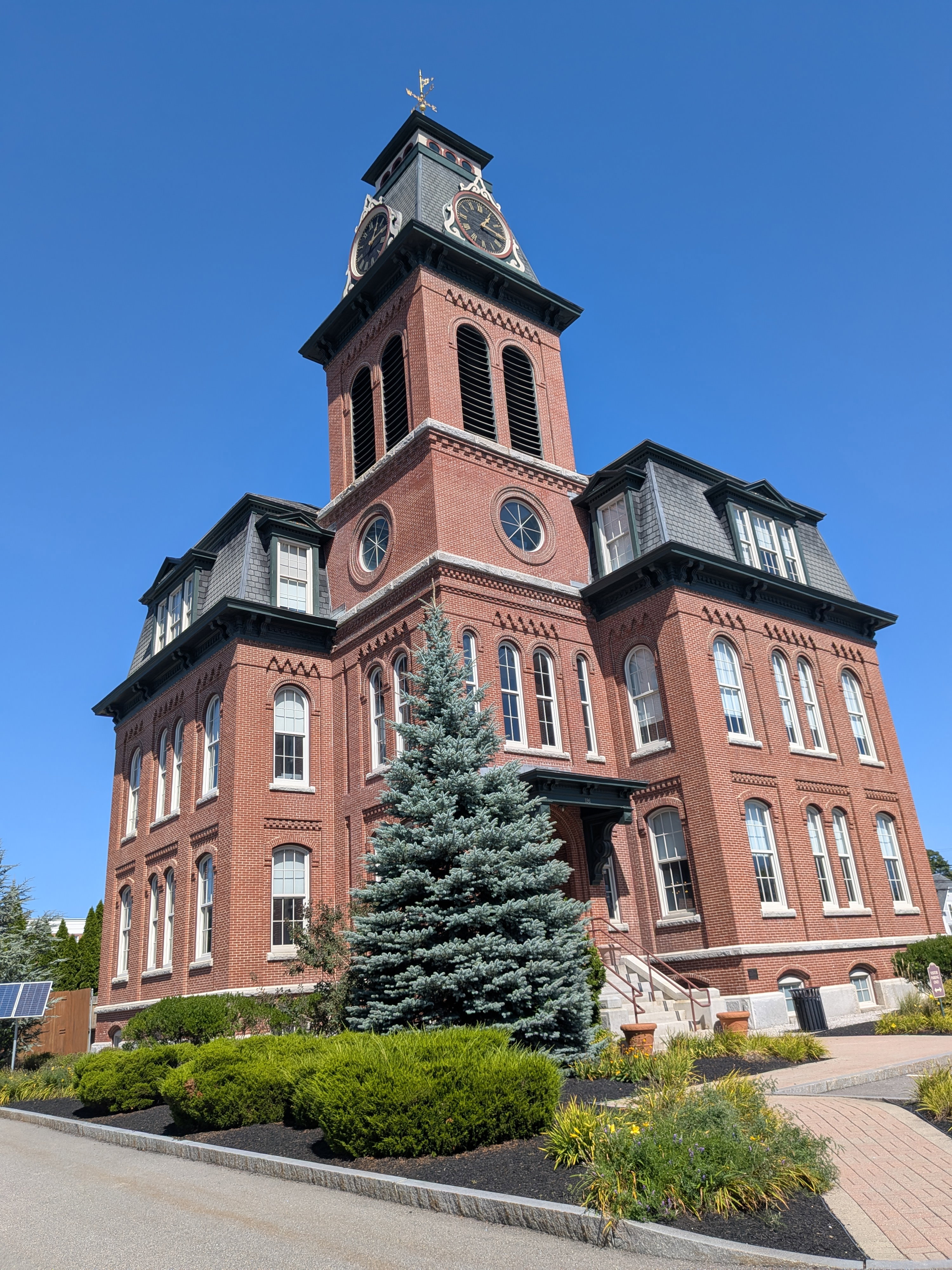
Grace Metalious was born “Marie Grace DeRepentigny,” in 1924. Her upbringing was tumultuous, the family moved often, and the tour walks by the many different buildings where they lived. To my surprise – most were NOT on the West Side, the heart of French-Canadian Manchester. Grace’s mother wanted a different identity for her daughter, and the family mostly settled on the East Side. That deliberate rejection of French-Canadian society continued with their choice of schools, sending little Grace to the public Ash Street School, instead of the French-speaking Catholic schools, of which there were many in Manchester!
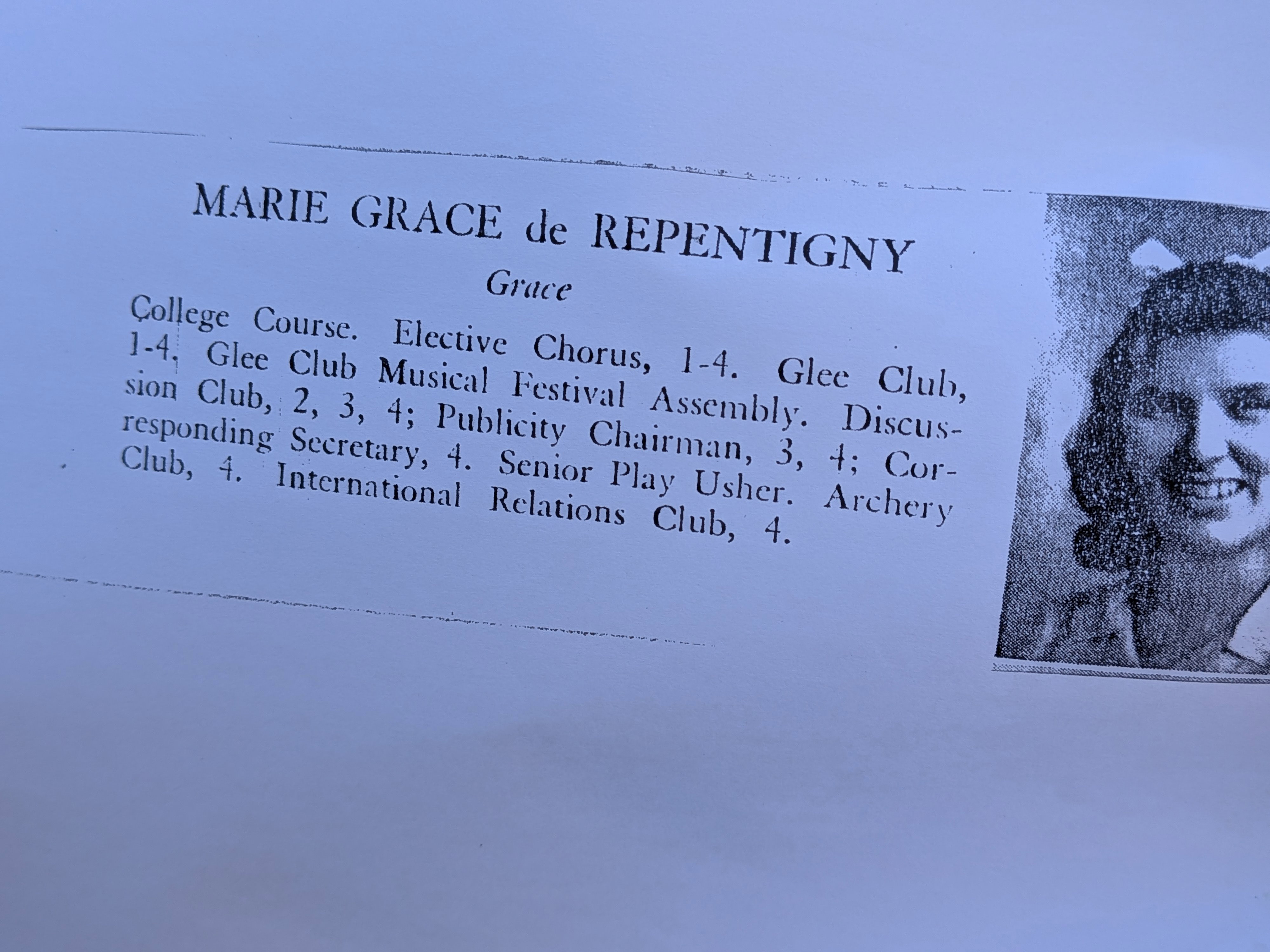
Marie Grace DeRepentigny went to Central High School – again, the public school – where she seems to have been quite active. Her yearbook photo says she was in Chorus, Glee Club, Discussion Club, Archery Club, and the International Relations Club.
Given her upbringing, it’s no surprise that Grace didn’t marry within the French-Canadian community. In 1943, she married George Metalious, whom she'd met as a child and reconnected with at Central High. After WWII, George studied education at UNH and became a principal at a school in Gilmanton Iron Works. At that point, they were a family of five, and getting by on just George’s salary was difficult. So, Grace – who’d always written stories and articles – decided to write a novel, to help support the family.

(Metalious author headhot. Associated Press, via Wikimedia Commons)
You may already know the rest of the story: “Peyton Place” smashed sales records. It was turned into a hit movie with nine Oscar nominations, and later became a popular TV series.
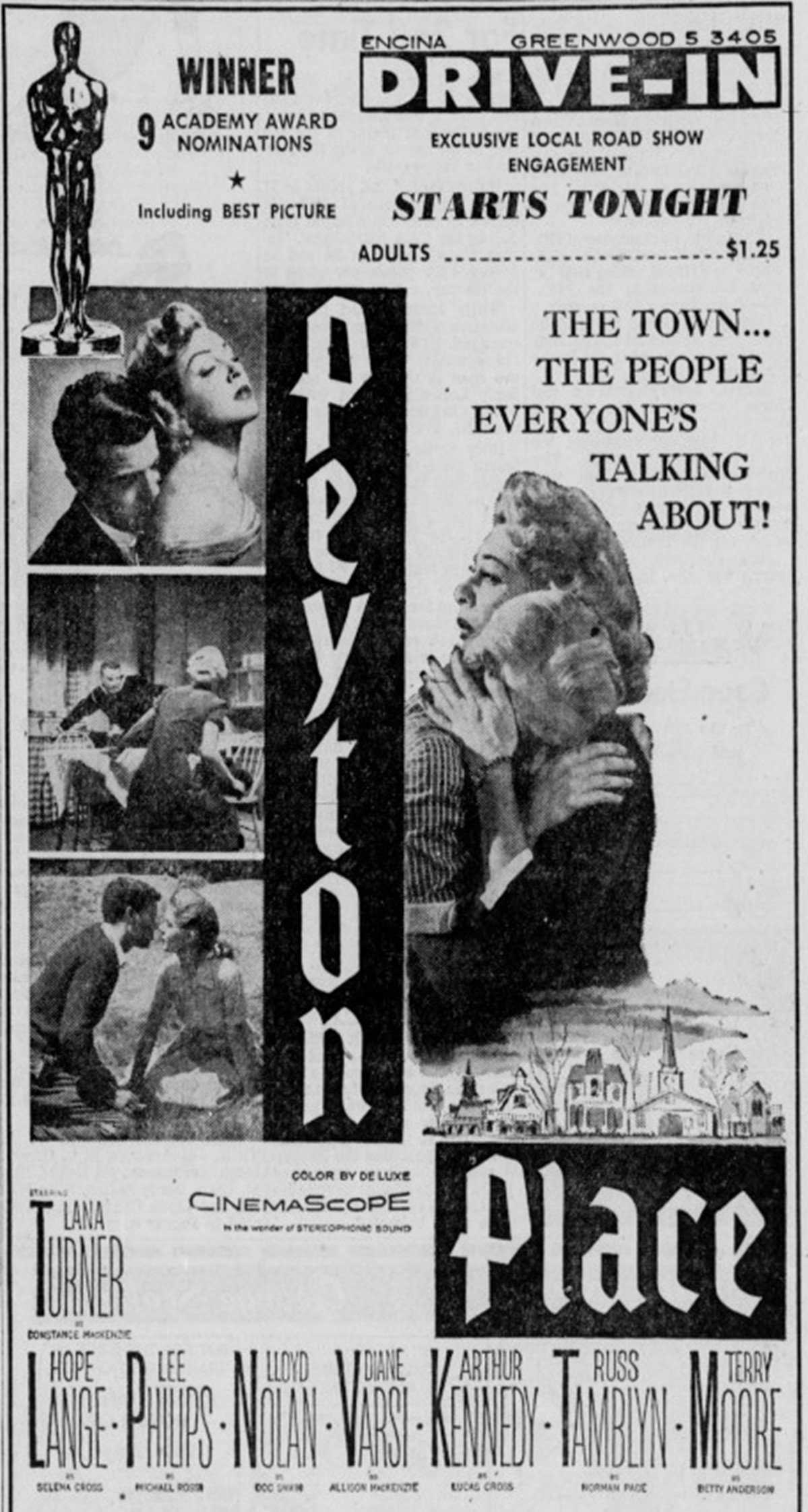
(Encina Drive-In Theater poster, 20th Century Fox, via Wikimedia Commons)
But Metalious didn’t manage her money or her fame well, and died at age 39, from liver problems related to heavy drinking.
Her death so young saddens me. She struggled with her sudden rise to the top; as one commentator put it: “She was Peyton Place’s biggest victim.” Also, she was an extremely talented writer. If you haven’t read Peyton Place, and only know it as “that 1950s smutty book” – think again. Grace Metalious, New Hampshire’s “Pandora in Blue Jeans” didn’t just open the box to expose the reality underneath cute, quaint, small-town New England. She ripped that lid off: skillfully and beautifully. Especially if you’re from New Hampshire, I highly recommend you read "Peyton Place."

Many thanks to Robert Perreault for the tour and to Ana for joining us. You can learn more about their work by checking out their March appearance on my podcast devoted to NH authors: ReadLocalNH. You can find it easily under the "Podcast" tab on this website!

Comments